SWOT Analysis has become a valuable tool in the ever-changing landscape of business strategy. SWOT Analysis, also known as Strengths. Weaknesses. Opportunity and Threats (SWOT) is a comprehensive instrument for evaluating both internal and exterior factors that impact a company’s performance and future prospects. In this article, we delve into the essence of SWOT Analysis, exploring its definition, guiding principles, and practical applications in business strategy.
SWOT Analysis Definition
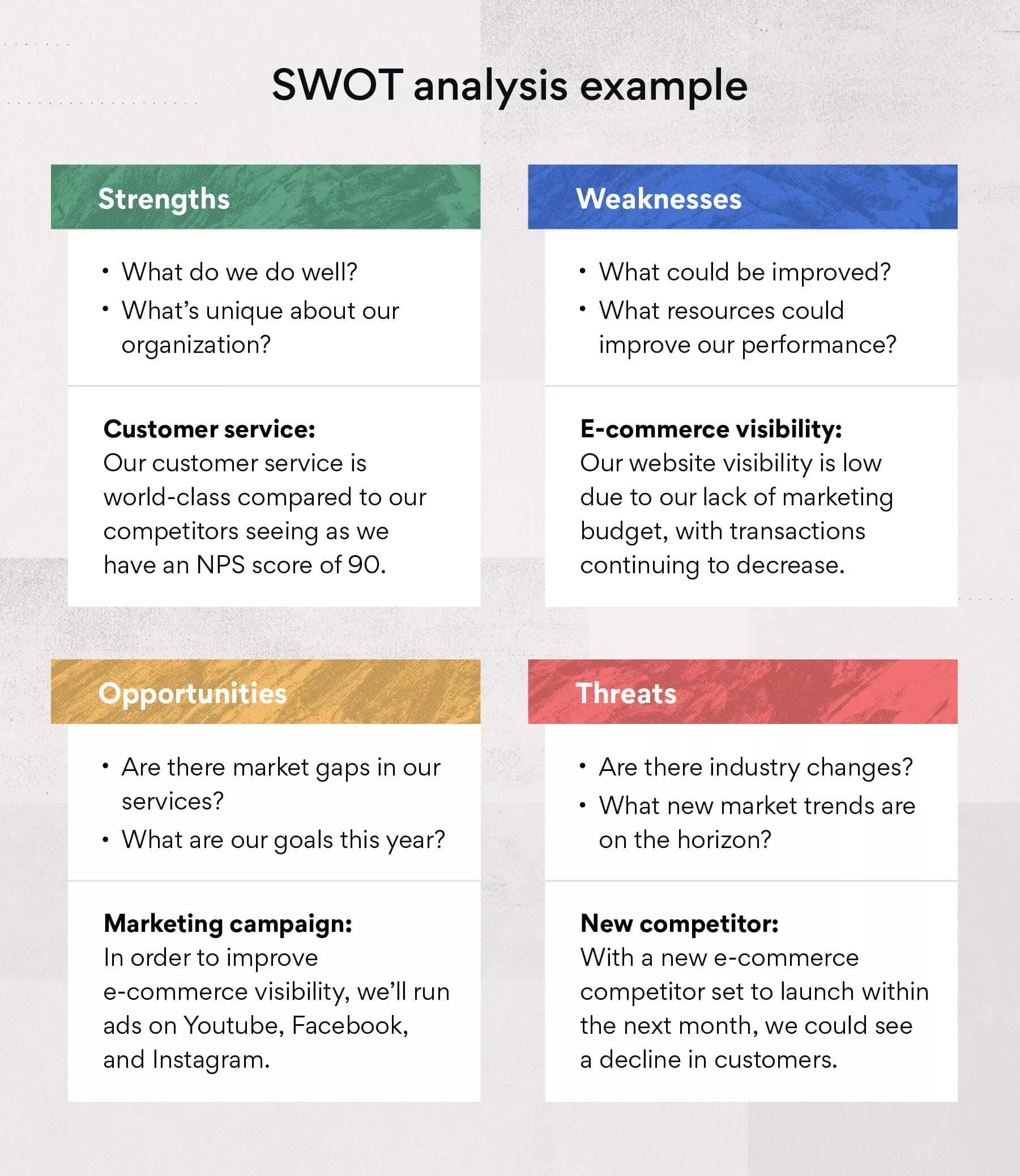
SWOT Analysis is a crucial strategy planning tool that helps identify and evaluates strengths and weaknesses within the company, as well as the potential threats from the outside and opportunities. By systematically assessing these factors, organizations can gain valuable insights into their competitive position as well as their strategic direction and potential areas for improvement. For more information, click SWOT Analysis Defination
The SWOT Analysis Guide is a Strategic Roadmap
The first step to a successful SWOT analysis is to have a clear understanding of the components and objectives. In the beginning, companies need to define their strengths. These are the internal resources and attributes which give them an advantage over competitors. These factors could include an excellent reputation for the brand, new products, or a highly skilled workforce.
The next step is to identify their weaknesses areas where they may be lacking or vulnerable compared to competitors. This could include obsolete technology, a smaller market, or poor business processes.
To move to an external perspective Business must look at external factors or trends and explore how they could be utilized to benefit. This may include new market trends, shifts in consumer behavior or technological advances that can provide new opportunities for business.
Finally, organizations must assess the potential risks from external or obstacles that could hamper their progress or cause dangers to their business. This could be due to an increase in competition, changes to regulations or economic downturns.
Business SWOT analysis: Integrating internal and external perspectives
SWOT Analysis’ ability to incorporate both external and internal perspectives into strategic decision-making is one of its strengths. Through analyzing business from different perspectives, organizations can build an overall knowledge of their operating environment.
SWOT Analysis helps businesses from an internal perspective identify areas where they have strengths that could be leveraged as well as areas where they have weaknesses that need improvement. The increased awareness helps companies optimize their resources and streamline their processes to increase their competitive advantage.
SWOT Analysis, from an external perspective, can help businesses keep abreast of the latest market trends and changes. By identifying new opportunities, organisations can expand into new marketplaces, innovate their offerings of products and services and pursue innovative business opportunities. Similar to that when they identify potential threats, organizations can develop contingency planning, reduce risk, and ensure their long-term sustainability.
Maximizing the impact of SWOT analysis
For maximum benefit from SWOT Analysis, organizations need to move beyond identification and analysis. They must transform insights into actionable steps. This includes creating strategies and plans to capitalize on strengths and weaknesses, take advantage of opportunities, and reduce threats.
SWOT Analysis, however, is not an exercise that is done once and then forgotten about. It’s a continual process that evolves with the conditions. To ensure that their SWOT analysis remains useful and efficient, companies need to revisit and revise it as the market changes and new challenges emerge.
Conclusion: empowering Strategic Decision-Making with SWOT Analysis
In the end, SWOT Analysis remains a cornerstone of business planning and strategic management. It provides a standardized framework for assessing the external and internal factors that impact organizational performance. The SWOT Analysis helps organizations gain valuable insights about their competitive advantage. It can help them determine the strategic priorities of their organization as well as determine the best path to sustainable growth and success. SWOT Analysis helps companies navigate the maze of the contemporary market. It’s a powerful tool for achieving their goals in the strategic direction, identifying potential and driving innovation.