The aviation industry, for a long time synonymous with bustling airports and roles on site it is currently undergoing a major change. With the advancement of technology and a growing focus on flexibility remote airline jobs have been created as a paradigm transformation in how the industry operates. These positions enable professionals to make a difference in the aviation industry in their remote or home area, transforming the traditional path to work. They also provide a unique work-life balance.
Remote Airline Jobs are on the rise
The past was when roles that required physical presence were common within the aviation sector. They included pilots, flight attendants, as well as ground staff. The rapid growth of technological advancements has revolutionized the nature of the work that airlines do. The majority of the jobs that would have required the interaction of a person efficiently. From customer queries to analyses of data, remote jobs for airlines have become an efficient and viable alternative.
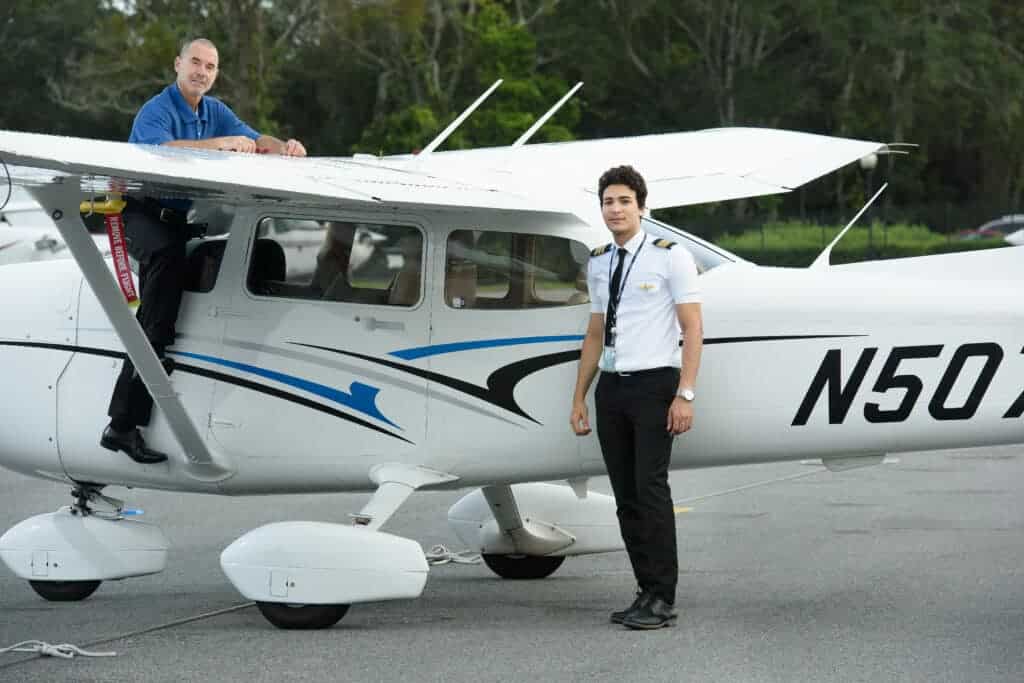
Image credit: flightschoolusa.com
This trend isn’t merely about ease of use. Airlines that embrace remote work provides cost-effective solutions to reduce overhead costs associated with office space. The option of working from home alleviates the burden of commuting, promotes a greater work-life harmony and permits employees to pursue global opportunities.
Remote Airline Jobs Roles
The scope of remote airline jobs is extensive, covering several jobs that require different abilities and skills. Some prominent roles include:
Customer Service Representatives : handling reservations, dealing with passenger questions, and addressing complaints can be accomplished virtually, making customer service one of the most sought-after remote airline roles.
Revenue Management Analysts: These specialists are remote workers who use sophisticated analytical tools to optimize the price of tickets and revenue streams.
Airlines depend on marketing specialists to create campaigns, oversee their social media accounts and improve online engagement.
Travel Agents : Remote travel agents help clients with flight reservations and itinerary planning, making use of technology to speed up the process.
IT and Cybersecurity professionals: Supporting the airline system, safeguarding data and maintaining IT infrastructure are all crucial roles which can be performed remotely.
Remote airline jobs with flight benefits Benefits
One of the most attractive aspects of remote airline positions with flight benefits is that they offer the perfect blend of professional flexibility as well as the traditional benefits of flying. These positions are becoming popular due to various reasons.
Flexible work-life balance: Remote jobs allow employees to alter their schedules in order to fulfill both their professional and personal obligations which leads to improved overall satisfaction.
Cost Savings Working from home reduces the cost of commuting, which includes meals and transportation, leading to significant savings.
Many airlines offer remote employees flight benefits, including reduced or no-cost travel. This can not only increase work satisfaction, but also offers unique opportunities to travel on your own.
Remote access: Remote jobs allow professionals to work from various locations, resulting in a more diverse and inclusive workforce.
Airlines Remote Worker Skills Requirements for Workers
Certain abilities are needed to excel in remote airline jobs.
Technical Proficiency: Knowledge of platforms and software used in the aviation industry is necessary for the smooth operation of remote operations.
Communication Skills: Strong written and verbal communication skills are essential to ensure effective collaboration across teams.
Time Management: The ability to plan and manage tasks and adhere to deadlines is crucial to successful remote work environment.
Problem-Solving: Remote roles often require quick thinking and apprehension to resolve challenges without immediate in-person support.
Where to find Remote Airline Jobs
The process of landing a remote airline position requires some strategic planning. Here are a few steps to help you get started:
Look for job openings by visiting airline career websites or remote job boards.
Polish Your Resume: Highlight remote work background, technical experience and any relevant certifications.
Use LinkedIn to connect with aviation professionals, and also learn about opportunities.
Prepare for interviews on the internet Answer questions that demonstrate your ability to manage assignments remotely and work in a team.
The Future of Remote Airline Jobs
Remote jobs for airlines are expected to remain highly sought-after because airlines are constantly innovating. The aviation industry is benefiting from the advancements in data analytics, communications technology, and automation.
Remote work is a new trend that reflects the shifts in modern workplaces that emphasize flexibility, efficiency and satisfaction. For those who are looking to pursue a career in aviation without the rigors of traditional roles, remote airline jobs offer an exciting, viable option.
In embracing these opportunities professionals can enjoy the greatest of both worlds – helping to build one of the most vibrant industries, while enjoying the benefits that come with remote work. Remote airline jobs with advantages for flying are ideal for those looking to kick off an aviation career regardless of whether you’re an experienced professional or just beginning out.